
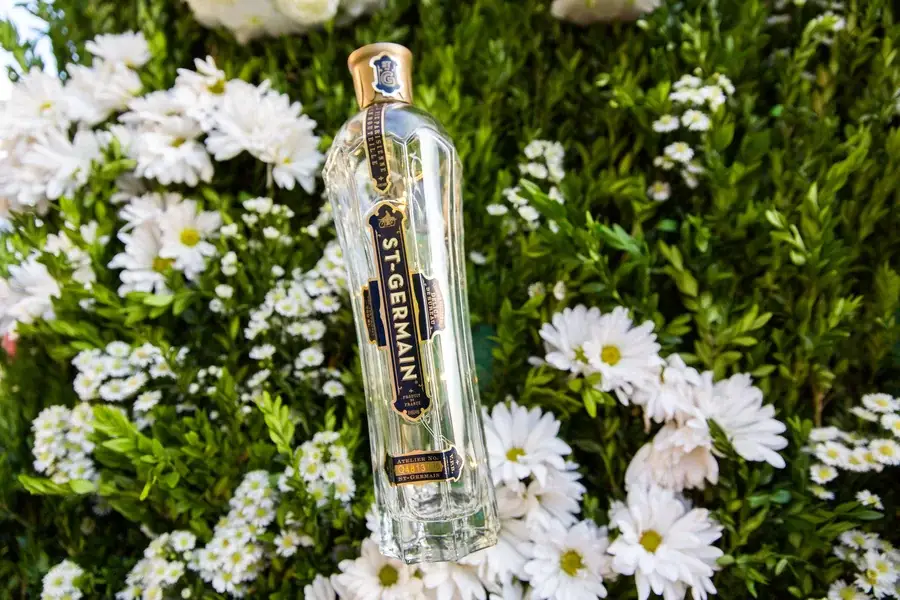
When St-Germain first hit the market, it didn’t just launch another liqueur — it revolutionized the category. Before St-Germain, there was no elderflower craze, no wave of floral cocktails, and arguably, no Aperol Spritz renaissance. This was a brand that changed how people thought about what a liqueur could be — elegant, modern, and effortlessly mixable.
But staying ahead of the trend requires more than great flavor. It demands relentless execution, a feel for the street, and a deep understanding of where culture is headed next.
When the first distributor report came in — just 16 nine-liter cases sold in the first month — we celebrated. It wasn’t even a full 30-day cycle, but it was a start. From there, we hit the pavement and refined our playbook:
Repeat the right pitches – Find where your story resonates, then double down.
Deliver on tastings – The best sales pitch still starts with a pour.
Liquor to lips builds brand battleships – The moment someone tastes it, the brand begins to stick.
Consistency built momentum. Every pour, every conversation, every visit mattered.
We helped create the St-Germain carafe set, a now-iconic serving ritual designed with founder Rob Cooper. That carafe became more than a bar tool — it became a visual signature for the brand. To this day, you can still spot those carafes in people’s homes and on the back bars of top venues.
That kind of staying power doesn’t happen by accident. It’s born from creative thinking grounded in real-world experience — knowing how a brand lives in people’s hands, homes, and habits.
A few years after launch, Bacardi acquired St-Germain for a nine-figure sum — validation that authentic, ground-up brand building delivers massive long-term value. Today, Bacardi continues to invest in the story, even reviving the Hugo Spritz campaign to complement the original St-Germain cocktail classic.
That’s the mark of enduring brand equity: a story so strong it keeps writing itself.